GENUINE WRECKS
Dives conducted on historically documented shipwreck sites in the Gallipoli area.
TECH DIVE
Advanced dives conducted on deep and complex wreck sites requiring technical certification
REC DIVE
Recreational dives conducted on accessible wreck sites within no-decompression limits
OUR FACILITIES
Operational facilities designed to support technical, recreational, and
training dives
TRAINING
Diver training programs conducted in accordance with internationally recognized standards.
“On many of our dives, when we first come face to face with a wreck, before beginning our exploration or mission, we pause for a GENUINE WRECKS
Diving in this region is not just about exploring shipwrecks. It is about diving into history, traveling back a century to the time of war, much like walking through an underwater museum.
moment. We simply observe this massive monument in silence, as if paying our respects to what lies before us.”
| Wreck | Depth (m) | Origin |
|---|---|---|
| Santa Maria Della Vittoria | 5m |
Italy
|
| Massena | 5m |
France
|
| Saghalien | 5m |
France
|
| Vincenzo Floria | 7m |
Italy
|
| SS Milo | 7m |
United Kingdom
|
| The Baby Rocks ( Reef ) | 9-55 |
—
|
| Tuzla | 10m |
Turkey
|
| Submarine Prevention Steel Nets | 12m |
Turkey
|
| Mesudiye Battleship | 12m |
Turkey
|
| HMS Louis | 13m |
United Kingdom
|
| Arıburnu Lighter | 18m |
United Kingdom
|
| HMS Majestic | 23m |
United Kingdom
|
| Helles Barges | 23m |
Australia
|
| Lundy | 27m |
United Kingdom
|
| Arıburnu Barge | 28m |
Australia
|
| Küçükkemikli Barge | 30m |
Australia
|
| Çamburnu Amphora Wreck | 30m |
Roman Era
|
| Shark Reef | 35m |
—
|
| Captain Frangos | 46m |
Greece
|
| Saphire Submarine | 56m |
France
|
| Unidentified Minesweeper | 58m |
—
|
| HMS Irresistable | 65m |
United Kingdom
|
| HMS Goliath | 65m |
United Kingdom
|
| Bouvet | 68m |
France
|
| HMS Ocean | 70m |
United Kingdom
|
| AE2 Submarine | 72m |
Australia
|
| HMS Triumph | 73m |
United Kingdom
|
| Midilli (SMS Breslau) | 74m |
Turkey
|
| Atılay Submarine | 74m |
Turkey
|
| Inflexible | 75m |
United Kingdom
|
| HMS Hythe | 75m |
United Kingdom
|
| SS Carthage | 85m |
France
|
| Dumlupinar Submarine | 90m |
Turkey
|
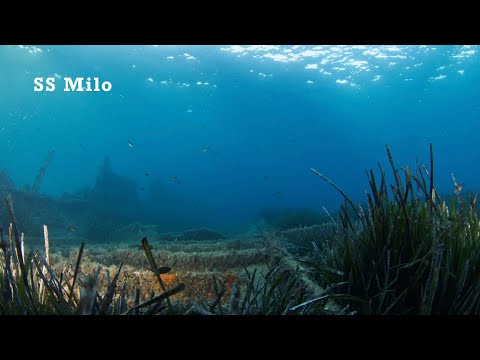
Built as a steam cargo ship, SS Milo played a critical role during the harsh conditions of World War I. Used by the British Navy as a support vessel, the ship was vital in supplying materials to the troops stationed at Anzac Cove in Arıburnu. From October 26, 1915, SS Milo served a completely different purpose. Its hull was filled with concrete to create a pier between the shore and the sea, transforming it into a breakwater that protected the ships docking in the area. Additionally, generators were installed inside the ship to facilitate logistics on land, illuminating the coast and bringing light to the dark nights of the war. After the war ended, Milo fell apart and sank. Today, lying at a depth of only 5 meters, SS Milo is still visible from the surface.
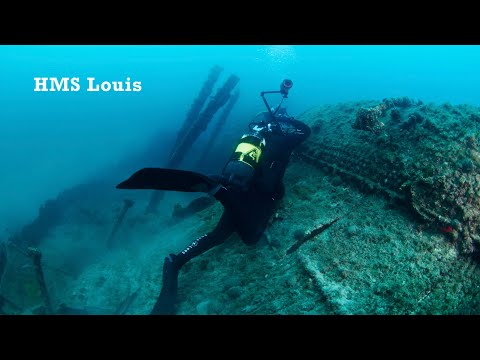
Built in 1913 as a Laforey class destroyer, this fast and agile ship played a significant role in reconnaissance and attack missions under the harsh conditions of war. During the Gallipoli Campaign, it actively participated in operations aimed at ensuring the Allied naval superiority. On October 31, 1915, during one of its missions off the coast of Gallipoli, HMS Louis ran aground due to strong winds and currents. Despite running the engines at full power, the ship could not be freed. Turkish artillery fire left the vessel defenseless. Severely damaged, HMS Louis soon sank beneath the waves.
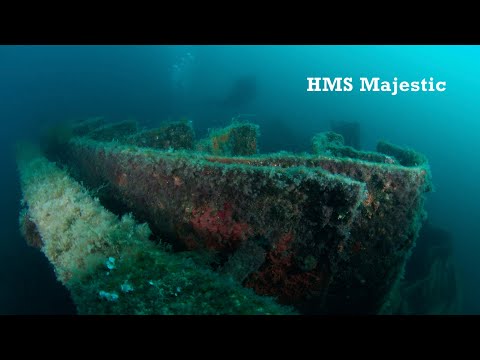
This magnificent battleship, once the ruler of the seas, was built in 1895 for the Royal Navy. With its powerful guns, steel hull, and grand structure, it was one of the foremost warships of its time. During the Gallipoli landings, HMS Majestic provided artillery support to Allied Forces on land, opening fire to silence Turkish defensive lines. However, the realities of war were as harsh as the ship’s grandeur. On the morning of May 27, 1915, a deadly threat was silently gliding among the shadows in the cool waters of Çanakkale. The German submarine U-21 quietly launched its torpedoes, and explosions suddenly tore through the sky. Majestic quickly tilted to the side, and waves began to swallow its massive hull. The once-glorious flag of the ship, along with its crew, was buried in the depths of Çanakkale. Today, the wreck of Majestic rests at a depth of 21 meters, serving as a fascinating monument that combines history and underwater life
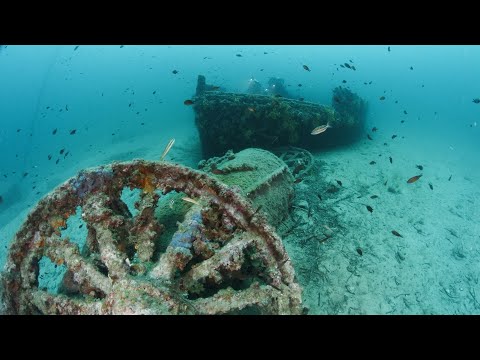
These large, flat-bottomed vessels, known as Barges, were primarily designed for transporting military supplies, ammunition, food, water, and soldiers. Due to their ability to operate in shallow waters, they facilitated the transfer of troops and supplies near the shore and were also used to transport wounded soldiers from the front lines to hospital ships or land-based medical facilities.
In situations where large warships could not approach the shore, these Barges served as intermediate platforms for supplying materials to the larger vessels.
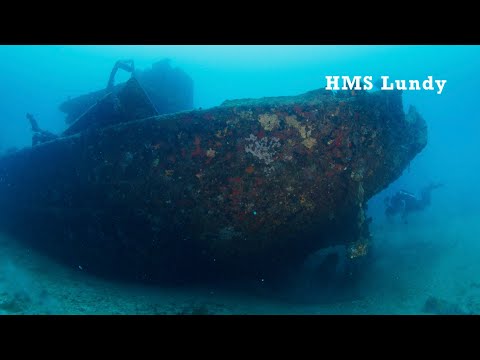
Originally built as a fishing vessel in 1908, Lundy was converted into a minesweeper in 1915 when it entered the service of the British War Office. On August 16, 1915, Lundy was anchored alongside SS Kalyan in Suvla Bay, resupplying ammunition. During this time, SS Kalyan came under Turkish artillery fire, prompting its captain to move the ship. As Kalyan began to move slowly, Lundy remained attached to it. When additional shells fell nearby, Kalyan increased its speed and made a slight maneuver. Lundy, unable to hear the warnings, was struck by Kalyan’s propeller, which punctured its hull. As a result of the damage, Lundy took on water and sank
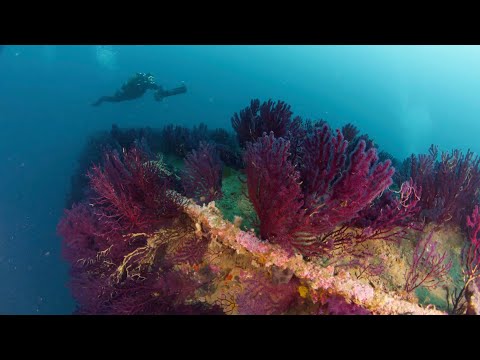
On February 19, 1968, while sailing from Malta to Varna, Captain Frangos collided with a Greek-flagged ship named Dimos and sank into the cold, fast-flowing waters of the Dardanelles Strait. A commercial cargo ship, Kaptan Frangos transformed into an artificial reef, contributing to underwater life after this tragic accident.
Today, the wreck lies on its side at a depth of 47 meters, offering a unique visual spectacle with its hull covered in red soft corals.
This massive ship, 125 meters long, is located in an area with strong currents. Although it provides a fascinating sight for photographers, the currents and limited visibility make it a challenging experience for divers.
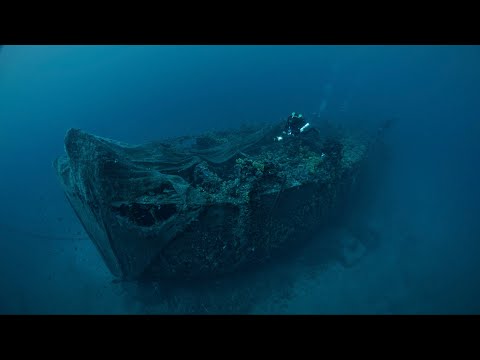
One of the unnamed witnesses of the war, this vessel was likely built as a fishing boat and later converted into a minesweeper. It served as a minesweeper in the region during World War I. The identity of this ship remains unknown to this day.
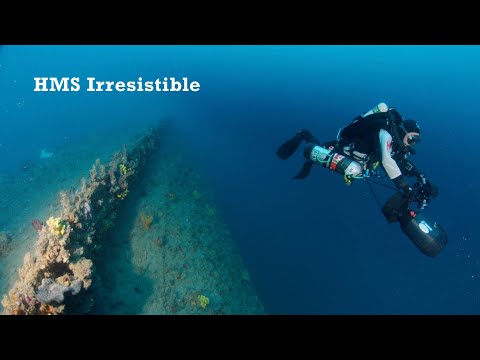
This massive steel warship, once cruising the seas with great splendor, was one of the pre-dreadnoughts representing Britain’s power during World War I. Launched in 1898, HMS Irresistible was a stunning engineering marvel in the race of modernizing navies. When Irresistible was sent to the Dardanelles, it was one of the strongest ships of the Allied Powers. During the Dardanelles Campaign, it took on critical tasks to support the advance of land forces and silence Turkish coastal defenses. The power of its guns turned into a rain of shells on Turkish batteries. However, March 18, 1915, would become a turning point not only for Irresistible but for the entire Allied Navy. On that day, one of the mines laid by the Nusret Minelayer exploded on Irresistible’s hull. The steel giant was damaged and began to tilt. The crew was evacuated, but Irresistible was left to its fate. The rapidly sinking ship disappeared into the depths of the Gallipoli waters.
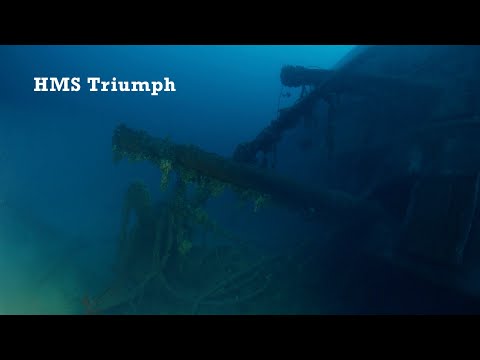
This pre-dreadnought battleship, built in 1903 for the Royal Navy, symbolized the naval power of the British Empire when World War I began. HMS Triumph, the pride of Her Majesty, had achieved significant dominance in the Pacific and protected distant colonies before coming to the Çanakkale Front. However, fate had a different page prepared for this grand warship in Çanakkale. The battleship, which supported the Allied land and naval operations in Çanakkale, played a key role in the Gallipoli landings. Its powerful guns targeted Turkish positions and assisted the advance of Allied Forces on land. May 25, 1915; the waters were calm. A torpedo launched by the German submarine U-21 struck the steel body of the battleship. The ship was severely damaged and quickly began to tilt. Triumph slowly sank into the blue depths of Çanakkale.
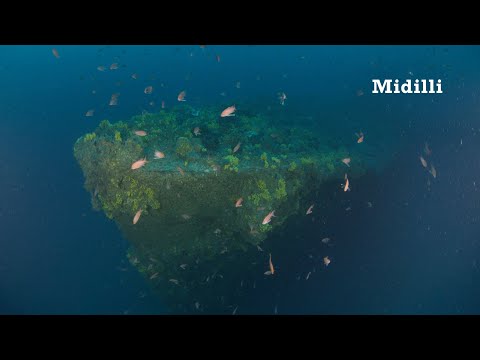
The cruiser Midilli, originally built in Germany under the name SMS Breslau, became a symbol of the Ottoman-German alliance during World War I. In 1914, evading the British navy, it successfully reached the Dardanelles Strait alongside the cruiser Goeben, which would later be renamed Yavuz, and was handed over to the Ottoman Empire. Renamed Midilli, the ship began to serve under the Ottoman flag and played a crucial role in drawing the Ottoman Empire into the war. Throughout the war, Midilli conducted operations in the Black Sea against the Russian navy, instilling fear in its enemies. Known for its agility and firepower, it became the shining star of the Turkish Navy. During World War I, Midilli achieved significant success but met its end on January 20, 1918, when it entered a British minefield in the Aegean Sea and sank following a series of explosions.
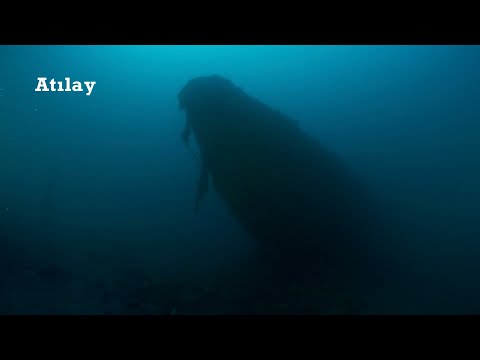
The Atılay submarine holds an important place in Turkish naval history as one of the first modern submarines of the Republic of Turkey. Built in Germany in 1939 for the Turkish Navy, Atılay, like its sister submarines Saldıray, Batıray, and Yıldıray, was named by the founder of the Republic of Turkey, the Great Leader Mustafa Kemal Atatürk.
On July 14, 1942, Atılay conducted a dive in the Dardanelles Strait to test the magnetic submarine detectors installed in the area. During this dive, it struck a World War I-era British mine.
The impact of the explosion caused the submarine to sink rapidly, resulting in the loss of all 39 brave crew members on board. This tragic event remains one of the most sorrowful incidents in Turkish naval history.
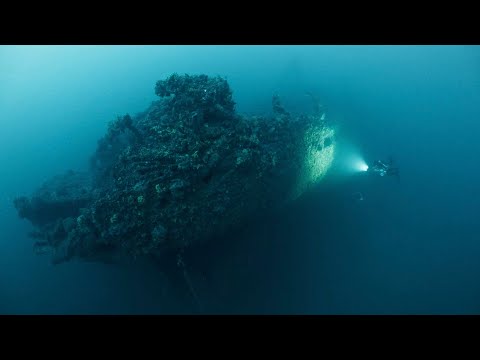
In 1912, during the Italo-Turkish War, the ship was intercepted by the Italian cruiser Agordat while on a voyage from Marseille to Tunisia. Detained in Cagliari for six days under the suspicion of carrying aircraft, this incident sparked a diplomatic crisis between Italy and France.
In May 1915, after Italy joined the Allied Powers in the war, Carthage was assigned a new mission: transporting troops and supplies to the front lines. On July 1, it reached Çanakkale and began unloading its cargo.
On July 4, 1915, while unloading supplies off the coast of Teke Point in calm waters, Carthage was spotted by the German submarine U-21. The submarine targeted the ship and fired two torpedoes. The first torpedo struck the ship, and the second caused severe damage. Within five minutes, Carthage sank into the deep waters.
TECH DIVE
The Dardanelles host a unique collection of genuine WW1 wrecks, many lying at depths requiring advanced technical training. All dives are carefully planned and supported to ensure safe and controlled exploration.
For the technical diver, Gallipoli offers a unique intersection of profound history and challenging deep-water exploration. The Dardanelles Strait is the final resting place for a fleet of genuine WW1 wrecks, many lying at depths that demand advanced training and meticulous planning. Our expeditions are specifically designed for certified tech divers, providing the logistical support required for extended bottom times and planned decompressions. This allows for unparalleled opportunities to properly explore these silent, historic monuments, a true privilege for any serious wreck diving enthusiast.
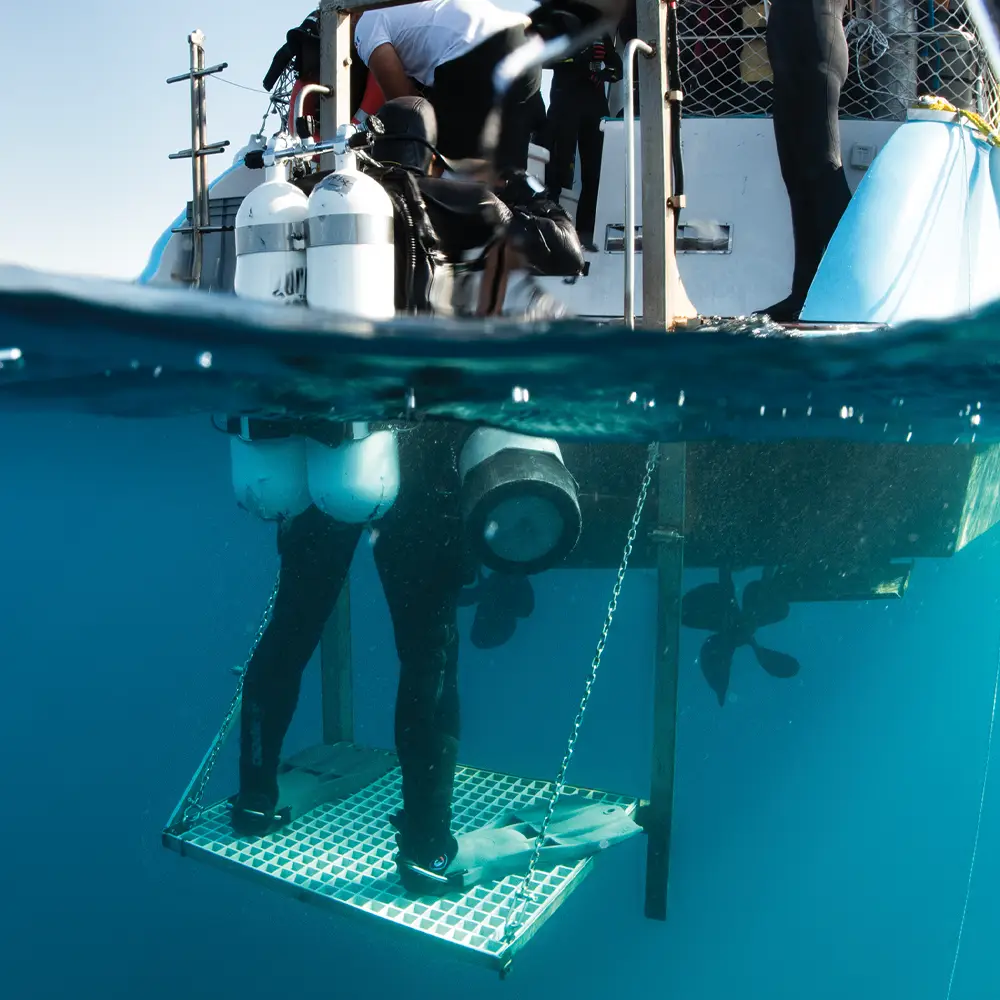
The unique location of these historic sites offers rewarding deep dives for certified and experienced divers. While the currents and visibility can create challenging conditions, our meticulous planning and infrastructure ensure a secure experience. To provide a safe and reliable point of reference for every descent and ascent, all wrecks are marked with stationary buoys and chain.
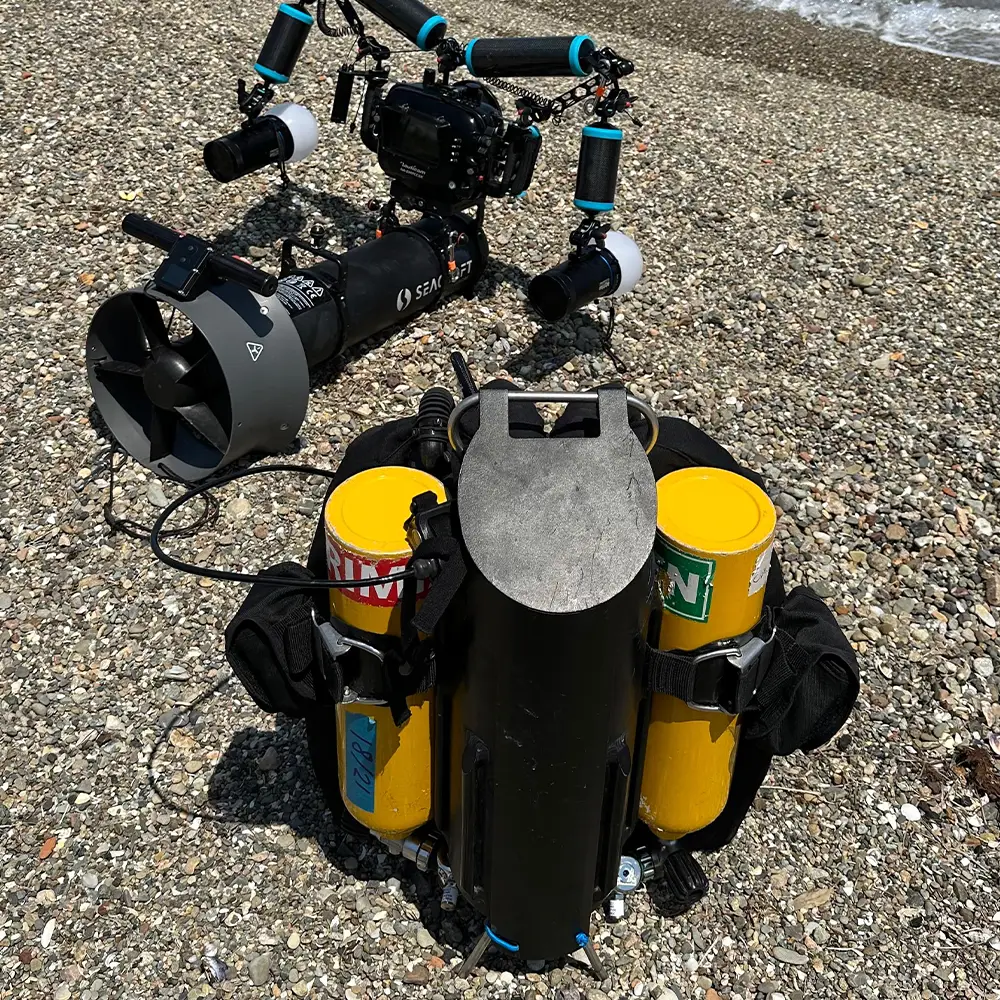
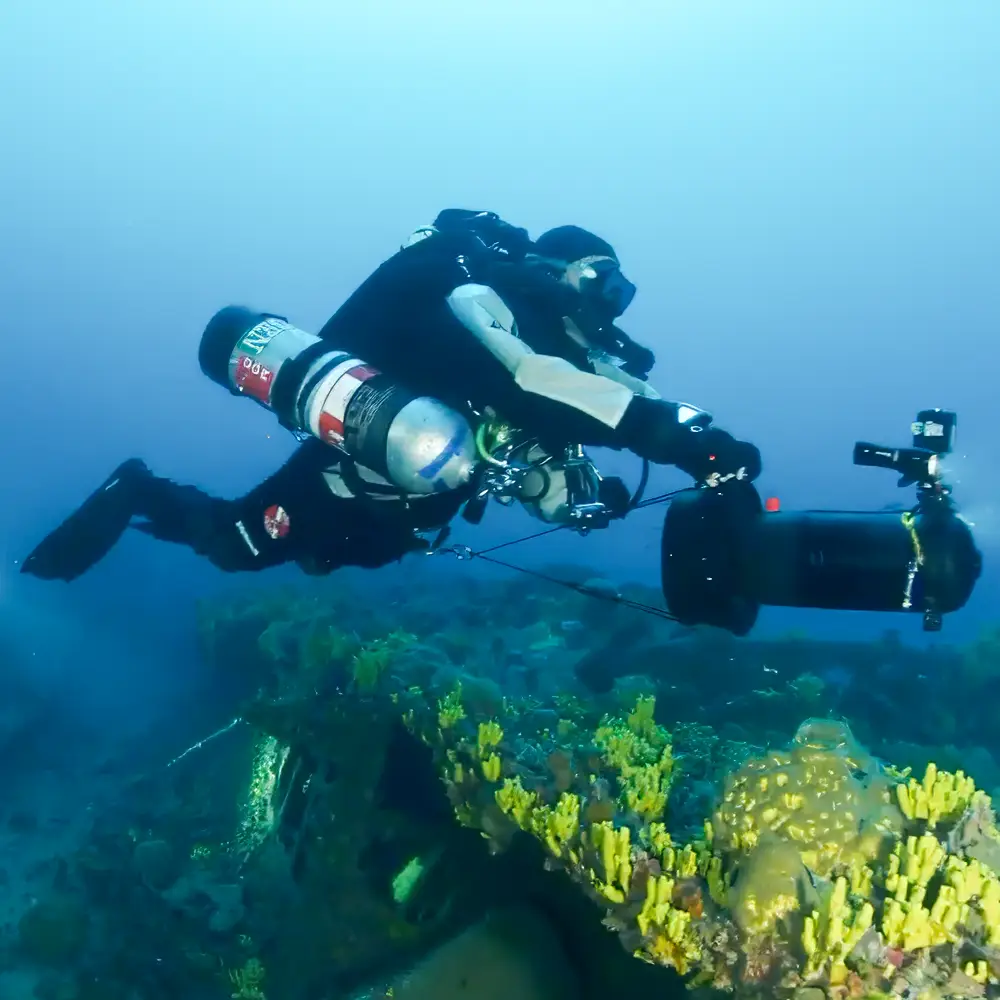
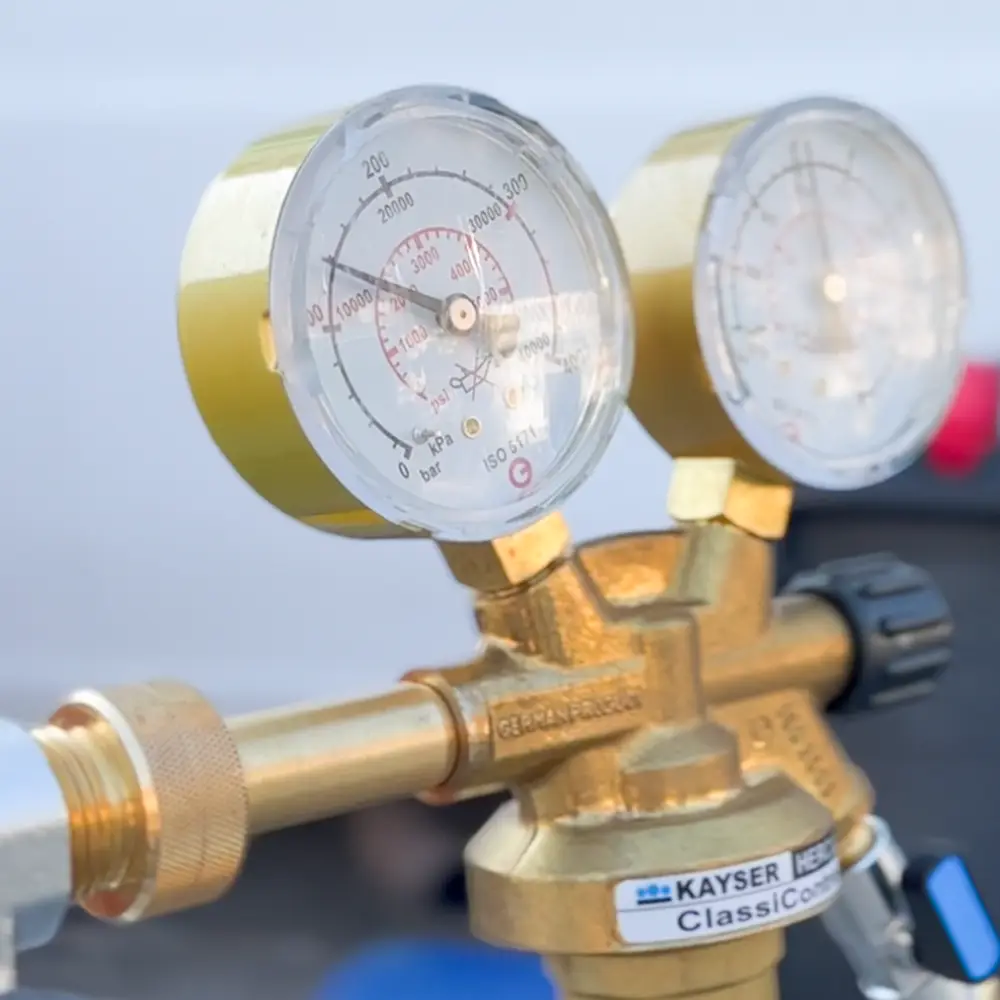
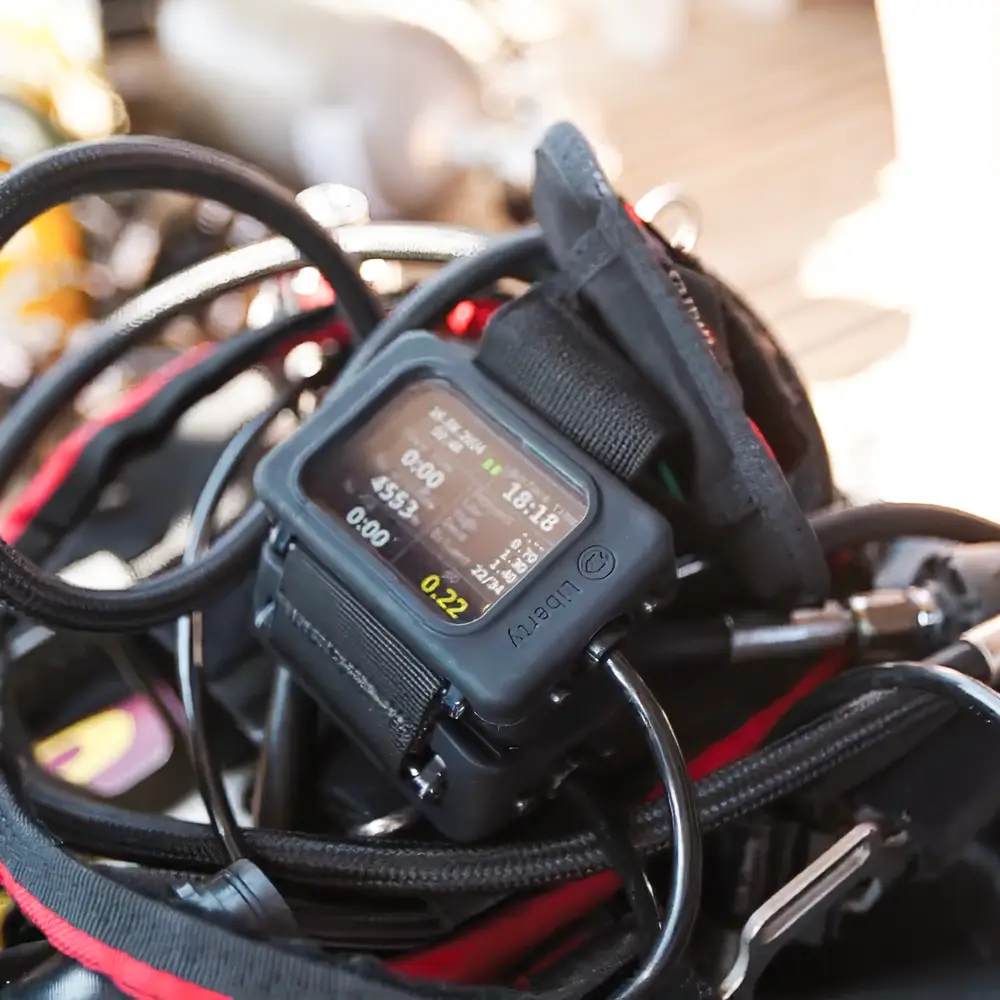
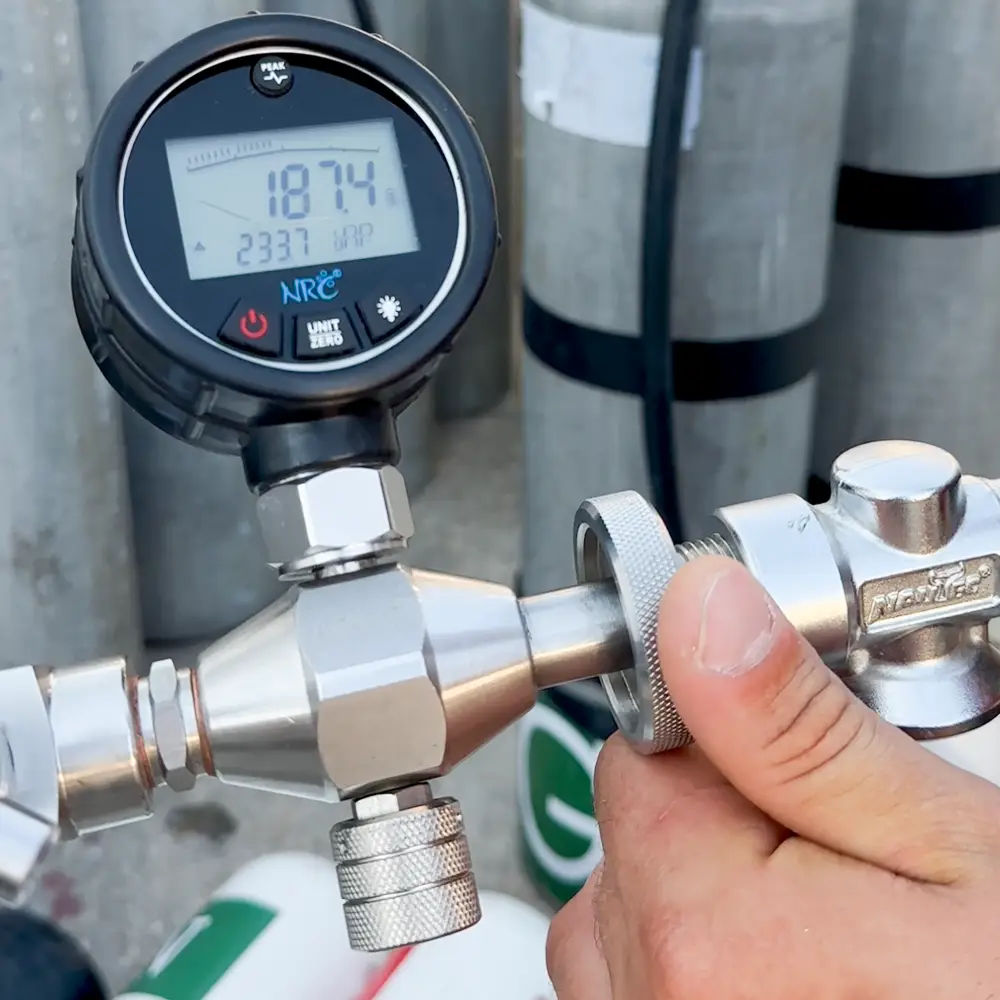
To enhance your exploration of these vast wrecks, we proudly offer scooter diving (DPV) tours. We are a full-service technical diving facility where all equipment is provided to the highest standards, ensuring you have a safe and enjoyable dive. Our support extends to all forms of diving, with full gas blending facilities and rental equipment for both CCR and OC diving available, catering to every technical diver’s needs.
REC DIVE
The Dardanelles host a unique collection of genuine WW1 wrecks, many lying at depths requiring advanced technical training. All dives are carefully planned and supported to ensure safe and controlled exploration.
While Gallipoli is a world-class technical diving destination, its underwater treasures are not reserved solely for tech divers. We firmly believe there is something for everyone to discover, with a fantastic selection of dive sites suitable for all certification levels. You don’t have to dive deep to see magnificent wrecks, as we guide tours on a number of incredible historical sites ranging from just 3 to 30 meters. These shallower sites are teeming with marine life and offer a breathtaking glimpse into the past for every certified recreational diver.

If you’ve never dived before, our doors are wide open. We offer a complete discovery dive experience for beginners who want to try breathing underwater for the first time. Under the close supervision of our professional instructors, you can safely explore a shallow, sheltered wreck site and create an unforgettable memory. To make your entry into the diving world as easy as possible, all equipment is provided for every course and dive. We handle the details so you can focus on the adventure.

OUR FACILITIES
Our dive center is fully equipped to support both technical and recreational diving, with a complete range of rental equipment available on site. From rebreather and open-circuit systems to DPVs, all infrastructure is in place to ensure a streamlined and comfortable diving experience.
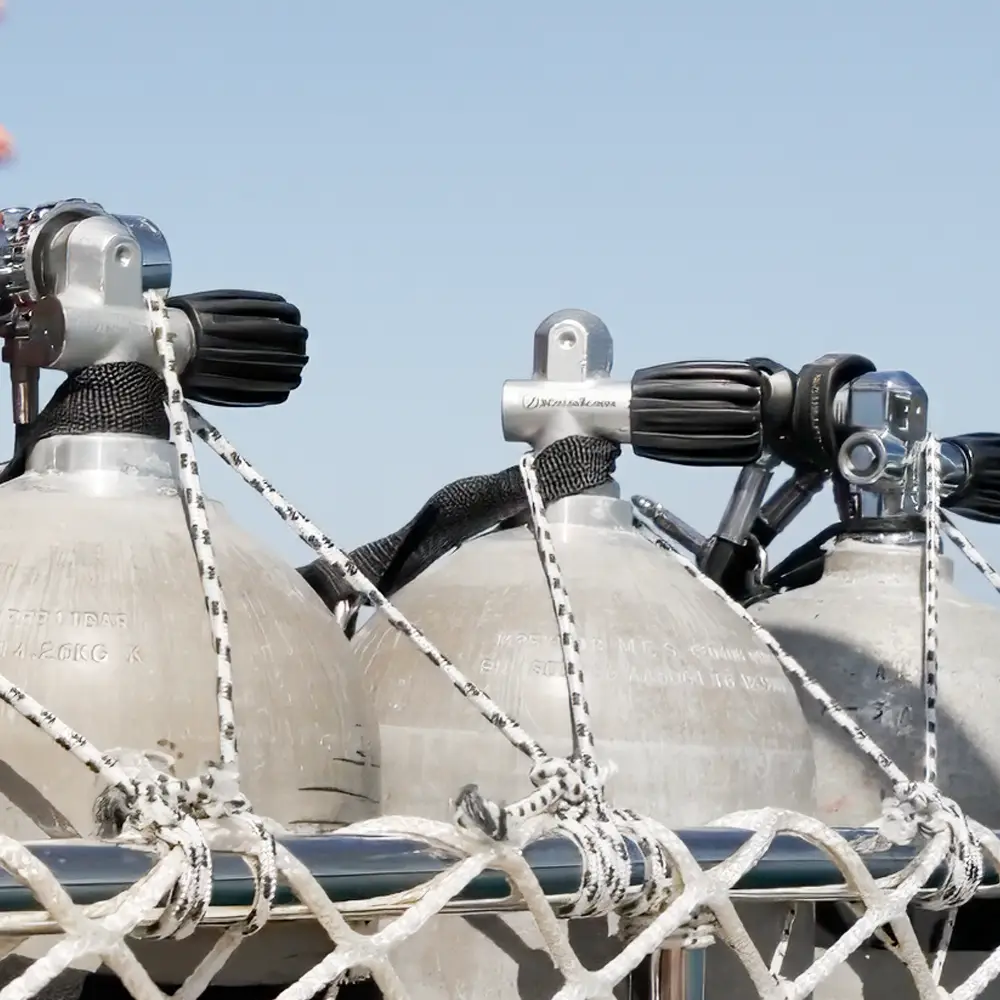
Our dive center is fully stocked to support the most demanding technical expeditions, ensuring you have access to top-tier equipment. For rebreather divers, we maintain a fleet of new JJ CCR units for rent, meticulously serviced and ready for your dive plan. We also have a complete inventory of full OC tec dive equipment for rent, including twinset tanks, backplates, wings, stage regulators, and a full range of stage bottles for both OC and CCR diving. To maximize your exploration of Gallipoli’s expansive wrecks, we have brand new DPVs available. With our comprehensive selection, you can rent all the equipment from here, meaning there is no need to carry your own heavy equipment across the world. Just bring your certification card, a swimsuit, and a towel and we will provide the rest.
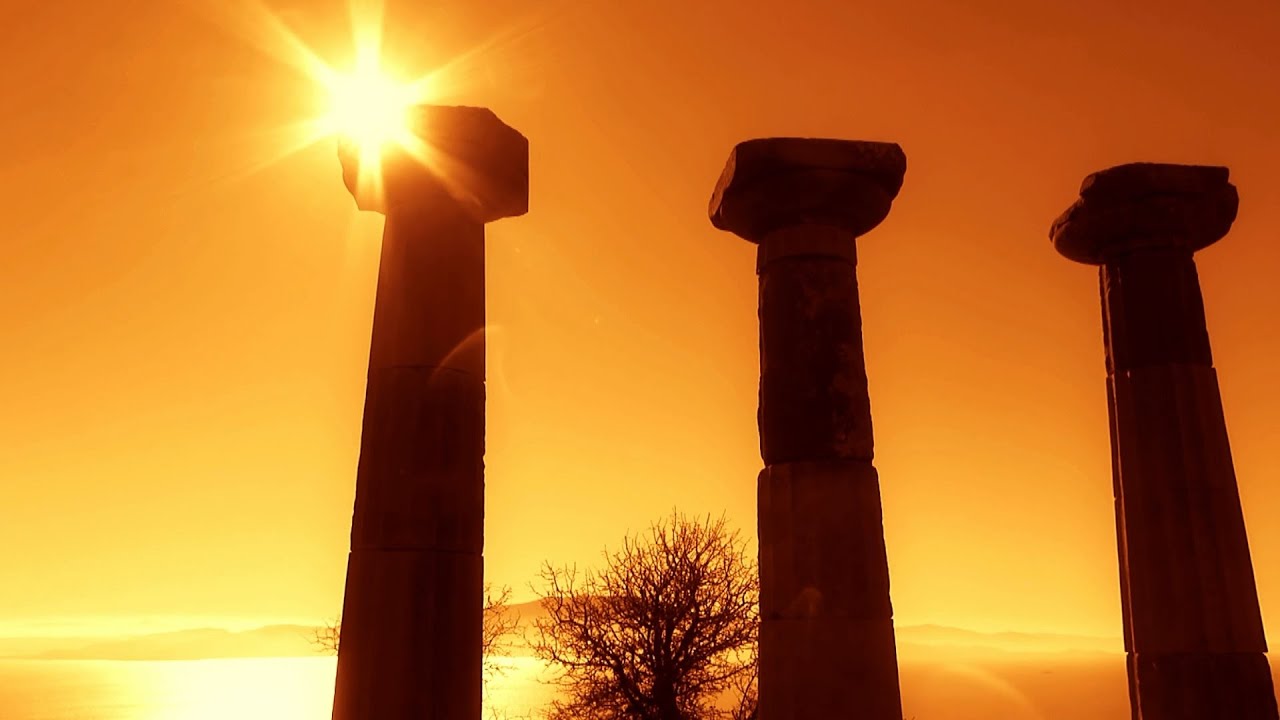

The profound history of Gallipoli extends far beyond the wrecks resting beneath the waves. Once your diving is done for the day, the entire peninsula invites exploration as a historical park. You can walk the actual battlegrounds from the war and pay your respects to the fallen soldiers at the iconic Çanakkale Martyrs’ Memorial. To deepen your understanding, you can explore the many museums in the area; the Çanakkale Naval Museum offers incredible insight into the naval conflict, while the world-class Troy Museum houses the treasures of the ancient city. For a journey further back in time, you can then visit the legendary city of Troy itself, a UNESCO World Heritage Site, steeped in myth and archaeology. This powerful combination of modern and ancient history makes the region a truly unforgettable destination for any visitor.
TRAINING & WORKSHOPS
Whether you’re taking your first breath underwater or pursuing the highest levels of diving, we offer a full spectrum of training to meet your goals. Through our partnerships with leading agencies like CMAS, SSI, and TDI, we guide divers from their very first certification (CMAS 1*/ Open Water) all the way up the professional ladder to Instructor levels. For those drawn to deeper exploration, our technical department provides the full TDI curriculum, from introductory courses like Advanced Nitrox and Decompression Procedures to advanced certifications including Trimix and Advanced Trimix, plus essential Gas Blender courses. You can also capture your underwater adventures by enrolling in our specialized underwater photography and videography courses
Rec Diving Courses
- Open Water
- Advanced Open Water
- Dive Guide
- Nitrox
- Perfect Buoyancy
- Wreck Diving
- Deep Diving
- Navigation
- Rescue and First Aid
- Night Diving
Tech Diving Courses
- CCR Extended Range & Trimix
- OC Extended Range & Trimix
- CCR Hypoxic
- OC Hypoxic
- Wreck Diving
- Wreck Penetration
- DPV
- Side Mount
- Advanced Nitrox
- Decompression Procedures
Photography & Videography
- Introduction to Photography
- Introduction to Cinematography
- Underwater Photography
- Underwater Cinematography
- Camera & Lens Selection
- Adobe Lightroom for Underwater Photography
- DaVinci Resolve for Underwater Cinematography
- Stock Footage and Music Usage
- Photogrammetry
- HDR Deliverables
OUR TEAM
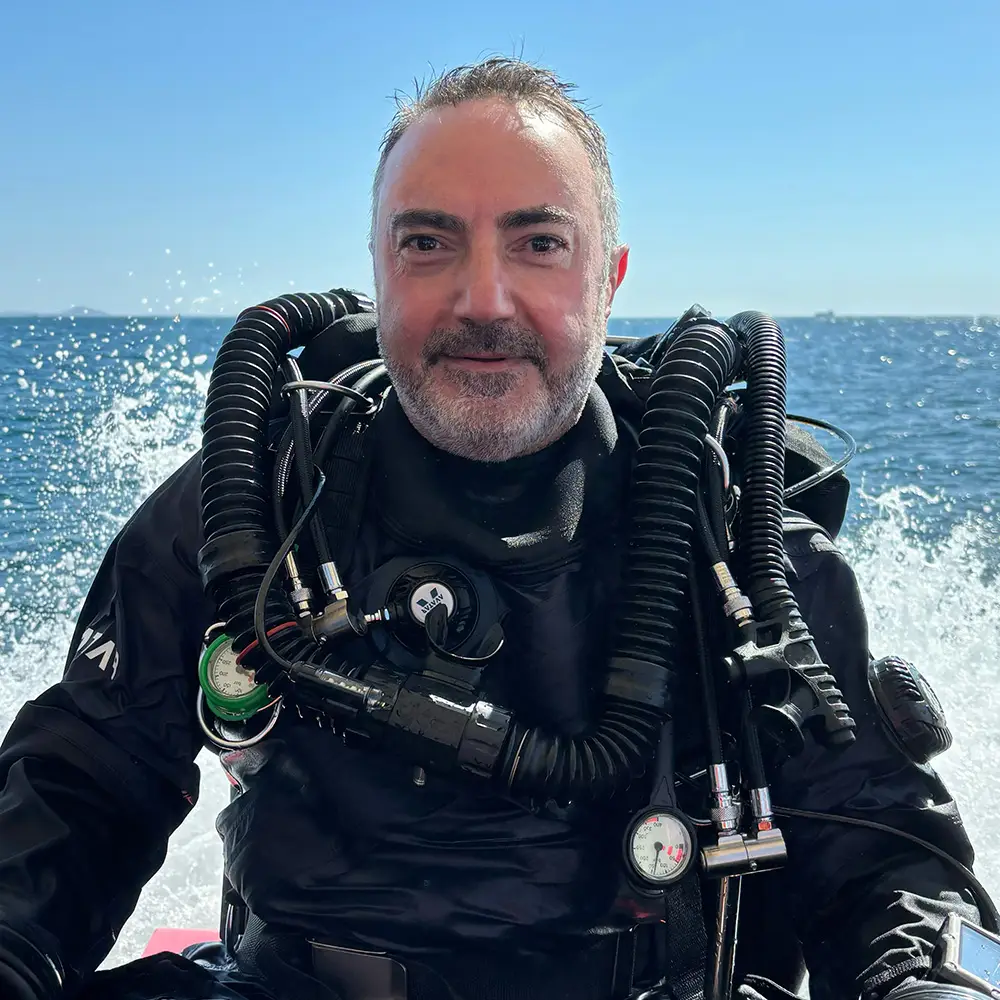
Murathan Yıldız
SSI CCR Extended Range Trimix Instructor
Underwater Cinematographer
DaVinci Resolve Instructor
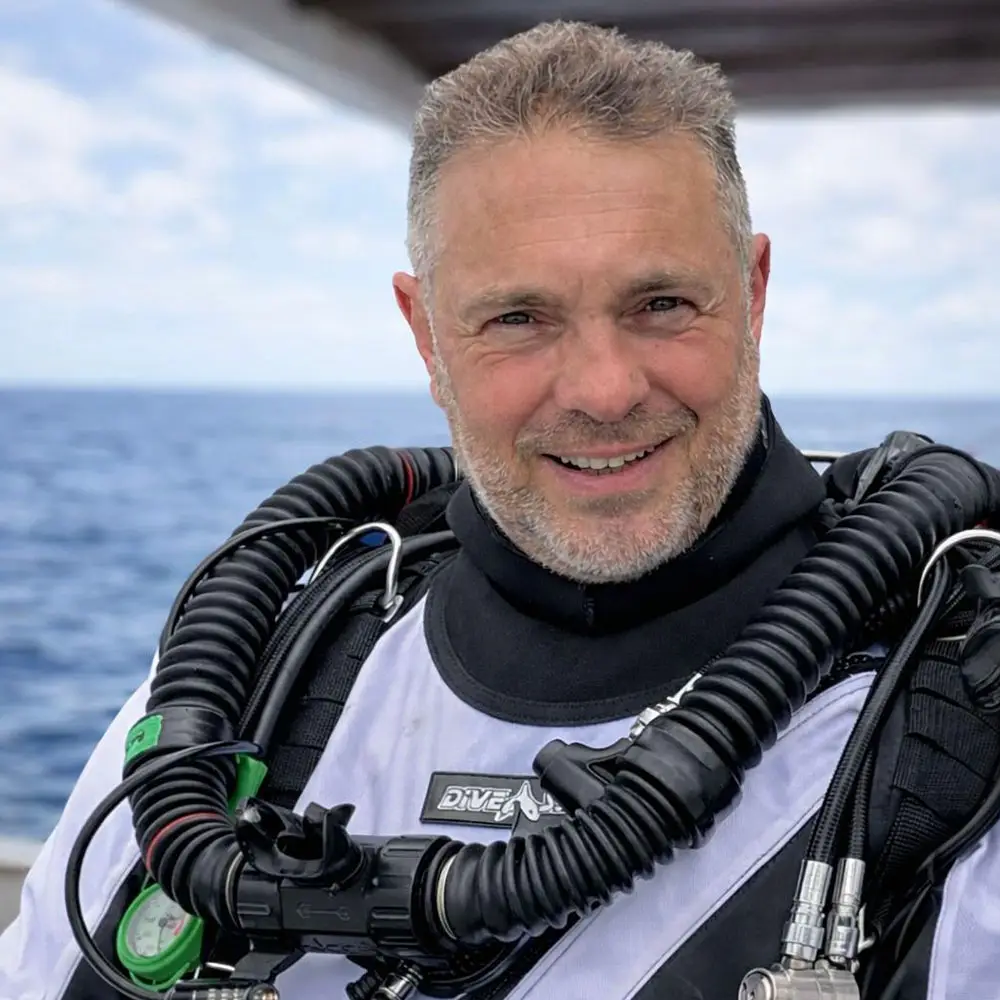
Rıza Birkan
SSI CCR Extended Range Trimix Instructor
TDI Advanced Trimix Instructor
CMAS 3* Instructor Trainer
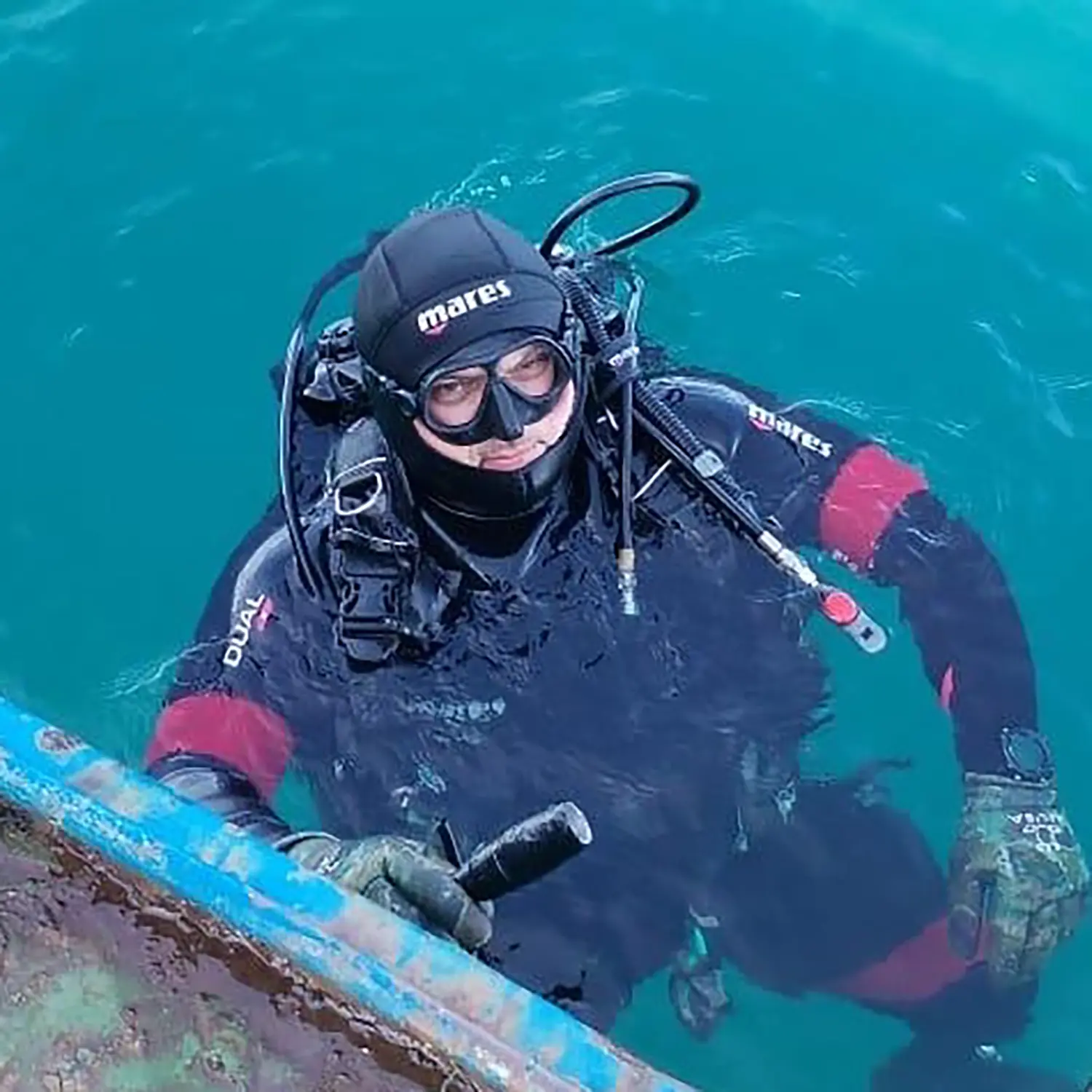
Erdinç Turanlı
CMAS 3* Instructor
CCR Extended Range Trimix Diver
Marine Science Engineer
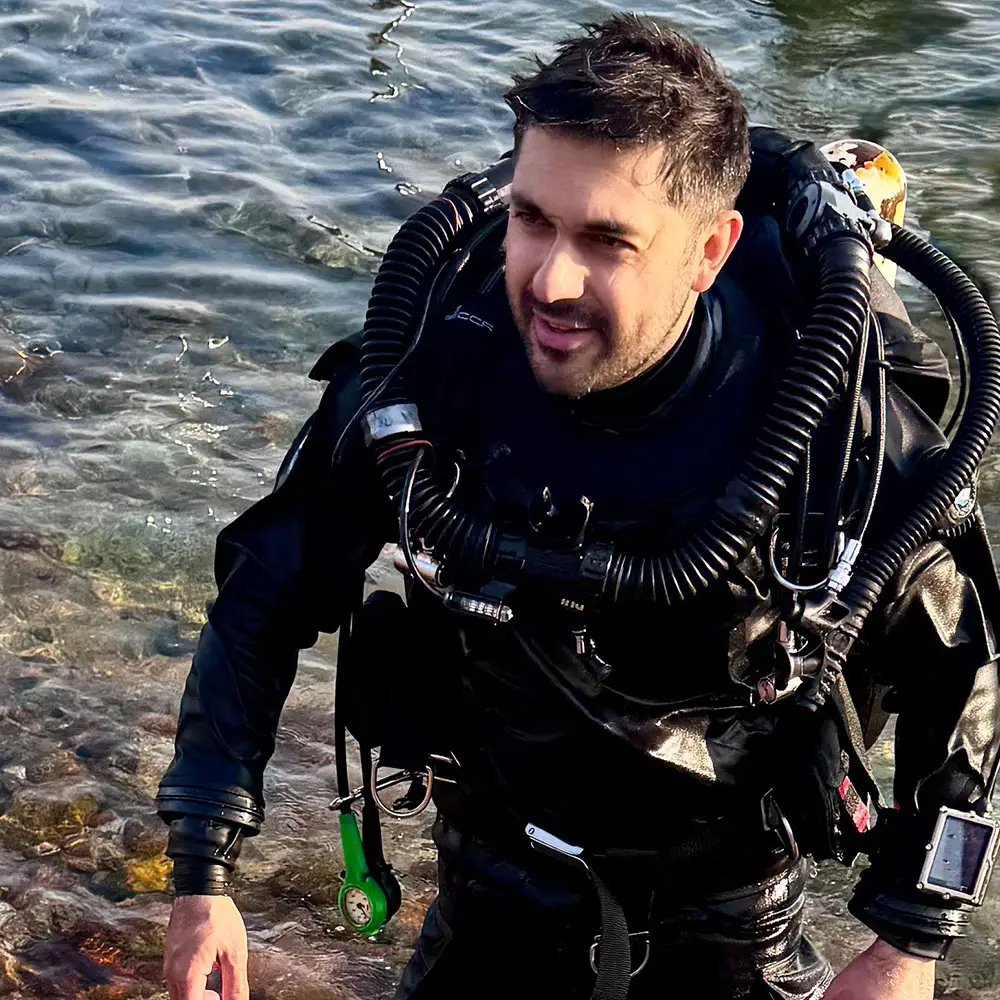
Ali Şener
SSI CCR Extended Range Trimix Instructor
Underwater Cinematographer
CMAS 1* Instructor
Hesna Onbaşı
Marketing Manager
IANTD Sidemount Instructor
IANTD Recreational Trimix Instructor

Cüneyt Bayraker
TDI Advanced Trimix Diver
TDI Advanced Gas Blender
CMAS Dive Guide
Hakan Alakustekin
CMAS 2* Instructor
PADI Master Instructor
AIDA Free Dive Instructor
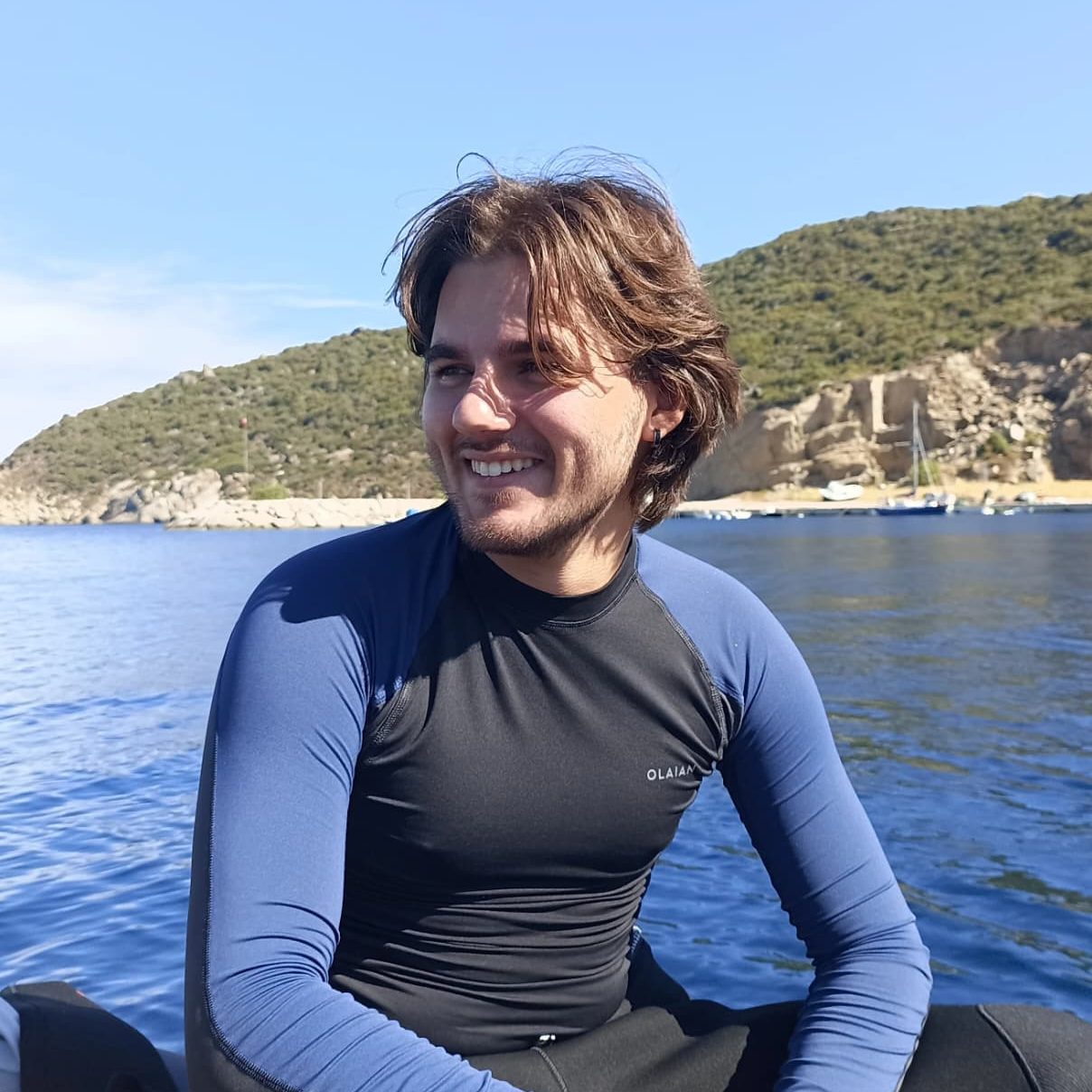
Hakkı Alp Tekin
Intern
CMAS 3* Diver
Assistant Underwater Cinematographer